
By Lindsay Hatton, Clean Corps — Cleaning & Home Care in Orlando & Central Florida
Every home eventually faces the same question: is this worth patching, does it need a proper repair, or is it time to replace it entirely? Answer wrong and you either waste money replacing something that had years left, or keep pouring cash into patch jobs on something that’s failing. This guide gives you a simple framework for deciding when to patch, repair, or replace — for everything from drywall and caulk to appliances, fixtures, and flooring.
| Key Takeaways |
| Patch: for minor, cosmetic, isolated damage. |
| Repair: when the item works but a component has failed. |
| Replace: when repairs cost more than a share of replacement, or failures keep recurring. |
When to Patch
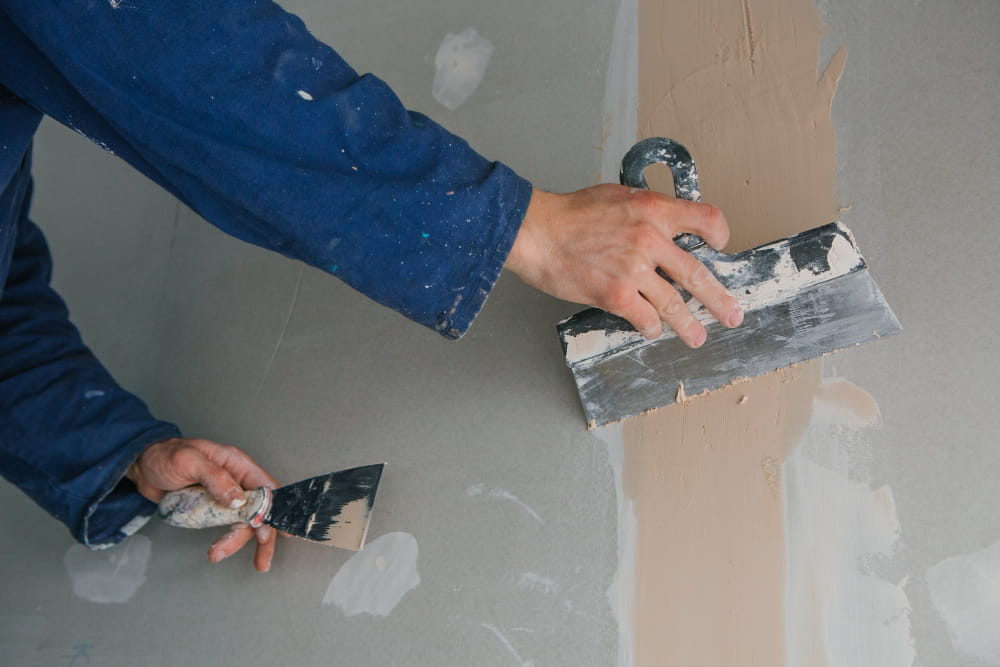
Patching is right for minor, cosmetic, and isolated damage: a small drywall hole, a chip in paint, a cracked caulk line, or a nick in trim. If the underlying item is sound and the damage is surface-level, a clean patch restores it at minimal cost. The key is making sure the damage really is isolated and not a symptom of a bigger problem — a water stain, for instance, means you fix the leak before patching the ceiling.
When to Repair
Repair makes sense when the item still works overall but a specific component has failed — a running toilet that needs new internals, a door that won’t latch, a faucet that drips, or an appliance with one bad part. If the repair is cost-effective relative to replacement and the item has good life left, fixing it is the smart call.
When to Replace
Replacement is the right move when repairs are getting expensive or frequent, when a repair would cost a large share of a new item, when the item is near the end of its lifespan, or when replacing brings a meaningful upgrade in efficiency, safety, or value. A good rule: if you’re repeatedly repairing the same thing, or a repair costs roughly half or more of replacement, replace it.
The Florida Factor
In our climate, water damage and moisture change the math. Anything compromised by moisture — warped wood, water-damaged drywall, rusted hardware — is often better replaced than patched, because hidden damage tends to spread. When moisture is involved, look deeper before deciding. When you’re unsure, a handyman can assess it honestly — and our guide on preventive maintenance helps you avoid the failures in the first place.
Frequently Asked Questions
Compare the repair cost to replacement and consider the item’s age and failure history. If a repair costs roughly half or more of replacement, or the same thing keeps breaking, replace it.
Patching works for minor, cosmetic, isolated damage on an otherwise sound item — as long as the damage isn’t a symptom of a larger problem like a leak.
Yes. In Florida, moisture-damaged materials are often better replaced than patched because hidden damage tends to spread behind the visible area.
Not sure whether to repair or replace? Clean Corps can assess it and handle the fix across Orlando and Central Florida. Contact us for a free estimate.
About the Author
Lindsay Hatton is a cleaning and home-care specialist at Clean Corps, a locally owned, licensed and insured company serving Orlando and Central Florida. She writes practical, field-tested guides on professional cleaning, home maintenance, and property care.