By Lindsay Hatton, Clean Corps — Cleaning & Home Care in Orlando & Central Florida
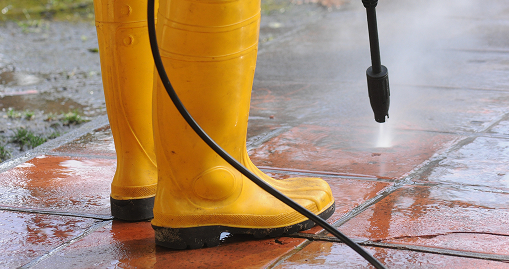
In Central Florida’s heat and humidity, exterior surfaces don’t just get dirty — they grow living layers of mildew, algae, and mold that stain, degrade, and even become dangerously slippery. Pressure washing is the fastest, most satisfying way to reverse it. But not every surface should be blasted the same way, and a few shouldn’t be pressure washed at all. Here’s what areas of your property need pressure washing most, how often to do it in our climate, and how to clean each surface without causing damage.
| Key Takeaways |
| Top priorities: driveway, walkways, siding, and the pool deck collect the most Florida grime. |
| Use the right pressure: delicate surfaces (roof, screens, some siding) need low-pressure “soft washing.” |
| Frequency: most Central Florida homes benefit from washing once or twice a year. |
| Safety first: algae films make decks and walkways slippery — cleaning them is a safety measure, not just cosmetic. |
Why Florida Homes Need Regular Washing
Heat plus humidity is the perfect recipe for organic growth. Within months, north-facing walls, shaded driveways, and pool decks develop a green or black film that’s not just ugly — it holds moisture against surfaces and breaks them down over time. Regular washing removes that buildup before it does lasting damage, which is why exterior cleaning is as much maintenance as it is curb appeal in this climate.
1. Driveway and Walkways
Concrete is a magnet for algae, oil stains, rust, and mildew, and it’s the first thing visitors see. A pressure wash restores it close to new and removes the slick film that makes wet walkways a slip hazard. These hard surfaces tolerate higher pressure, making them the most straightforward areas to clean.
2. Siding and Exterior Walls
Home exteriors develop a green or gray film of mildew in humid climates, dulling the whole house. Washing it off brightens everything — but siding usually calls for lower-pressure “soft washing” with the right cleaning solution to avoid forcing water behind panels or damaging the finish. This is a good job to leave to someone who knows the correct technique for stucco, vinyl, or painted wood.
3. Pool Deck and Patio
Pool decks and patios get slippery as algae builds up — a genuine safety issue around water. Regular washing keeps these surfaces clean, safe, and inviting through Florida’s long outdoor season, and prevents staining from leaves and organic debris.
4. Fences and Decks
Wood and vinyl fencing and decking trap grime and mildew in every grain and seam. Cleaning them not only restores appearance but also prepares wood for sealing or staining, extending its life — important in a climate that’s hard on outdoor wood.
5. Roof (With Caution)
Those dark streaks on Florida roofs are algae, and they should be removed — but only with low-pressure soft washing, never a high-pressure blast that can strip granules from shingles and shorten the roof’s life. Roof cleaning is the clearest case for hiring a professional with the right approach.
What Not to Pressure Wash
Skip high pressure on window screens, delicate light fixtures, older or damaged siding, painted surfaces that are already failing, and anything with exposed electrical components. Using too much pressure — or the wrong angle — can drive water where it shouldn’t go and cause more damage than the dirt ever would. When a surface is fragile or you’re unsure, soft washing or a pro is the safer call. Pressure washing pairs naturally with other exterior work; see our best curb-appeal projects.
Frequently Asked Questions
Most Central Florida homes benefit from pressure washing once or twice a year, because heat and humidity grow mildew and algae quickly on exterior surfaces.
No. Concrete and hardscapes handle higher pressure, but siding, roofs, and screens need low-pressure soft washing. The wrong pressure can cause damage, so delicate surfaces are best left to a professional.
Start with the driveway, walkways, siding, and pool deck — they collect the most grime and have the biggest impact on appearance and safety.
Not when done correctly. Concrete tolerates high pressure; wood needs a gentler approach and the right angle. Matching the pressure and technique to the surface is what prevents damage.
Ready to restore your exterior? Clean Corps offers pressure and soft washing across Orlando and Central Florida. Get a free estimate and bring your surfaces back to life — safely.
Gutters are one of the easiest things to fall behind on — see our guide on how often to clean gutters in Central Florida for a realistic schedule.
Running a business instead of a home? See our guide on how often Orlando businesses should pressure wash their storefront for a commercial-specific schedule.
About the Author
Lindsay Hatton is a cleaning and home-care specialist at Clean Corps, a locally owned, licensed and insured company serving Orlando and Central Florida. She writes practical, field-tested guides on professional cleaning, home maintenance, and property care.