By Lindsay Hatton, Clean Corps — Cleaning & Home Care in Orlando & Central Florida
Restaurant floors take more abuse than almost any surface in the building — grease, spills, heavy foot traffic, and constant moisture. Cleaning them well isn’t just about appearance; it’s about slip safety for staff and guests, health compliance, and protecting an expensive floor from premature wear. The catch is that different floor materials need different methods. Use the wrong approach and you either fail to remove grease or damage the surface. This guide covers how to clean the most common restaurant floor types the right way.
| Key Takeaways |
| Match method to material: quarry tile, VCT, concrete, and epoxy each need different care. |
| Slip safety is the priority: grease films cause most kitchen falls. |
| Degrease, then rinse: leftover cleaner residue is slippery and attracts dirt. |
Quarry Tile (Common in Kitchens)
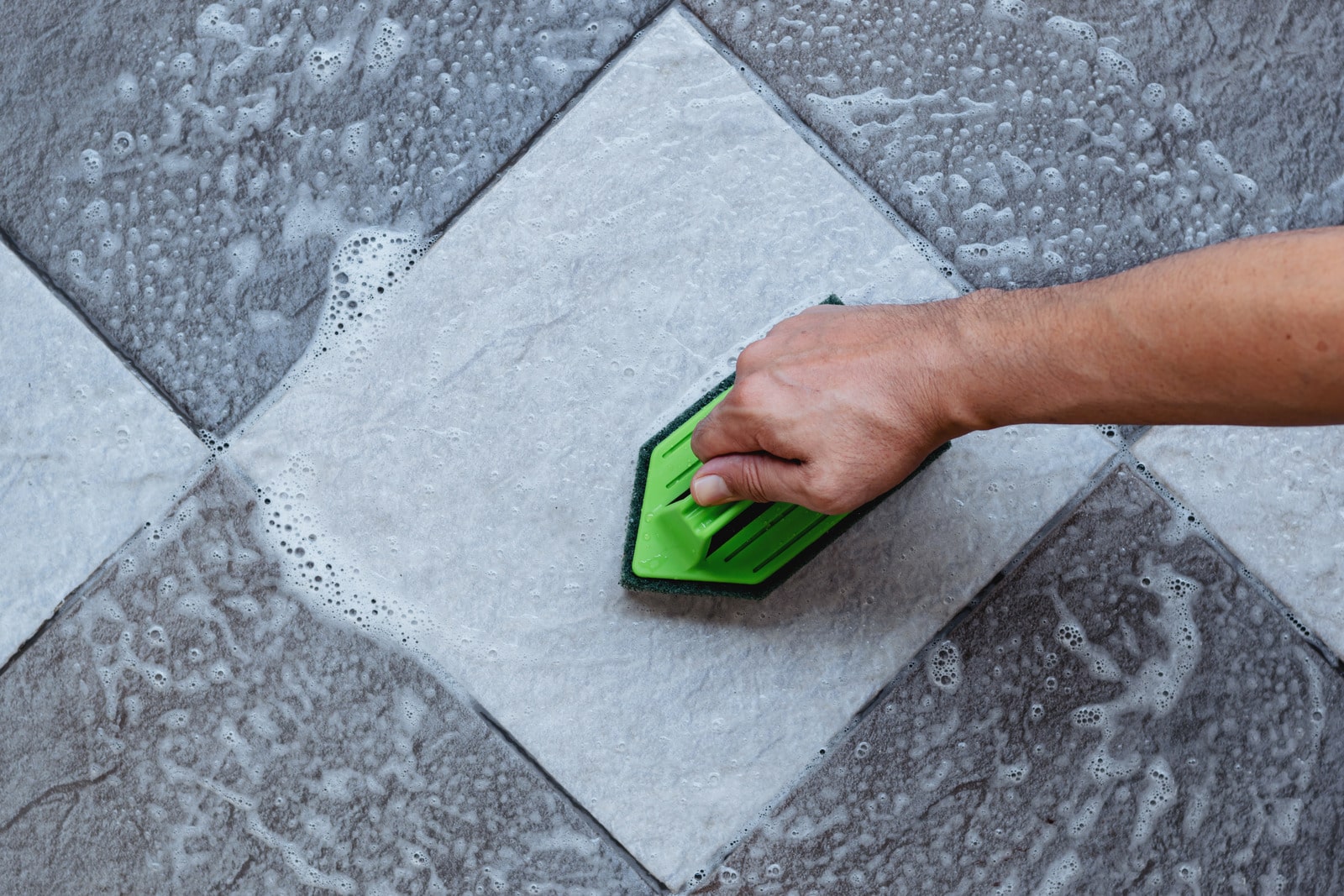
Quarry tile is durable and slip-resistant but its textured surface and grout lines trap grease. Use an alkaline degreaser, agitate with a stiff brush or deck brush to work the grout, then rinse thoroughly. Skipping the rinse leaves a slippery, dirt-attracting film — the most common mistake with quarry tile.
Vinyl Composition Tile (VCT)
Common in dining and back-of-house areas, VCT needs a neutral or mild cleaner — harsh chemicals strip its finish. It’s typically damp-mopped regularly and periodically stripped and re-waxed to maintain its protective, glossy coating.
Concrete and Sealed Concrete
Polished or sealed concrete is low-maintenance but porous if the sealer wears. Clean with a pH-neutral cleaner to protect the sealer, and reseal periodically. Avoid acidic products that can etch the surface.
Epoxy and Resin Floors
Seamless epoxy floors are prized in commercial kitchens because they resist grease and are easy to sanitize. Clean with a mild degreaser and soft brush or mop; avoid abrasive pads that can dull the finish over time.
Don’t Forget Drains and Corners
Grease and food debris collect in floor drains, corners, and along baseboards — prime spots for odor, bacteria, and pests. Clean these on a regular schedule as part of your floor routine. This pairs with a full kitchen deep clean; see our restaurant kitchen deep-cleaning checklist.
Frequently Asked Questions
Use an alkaline degreaser suited to the floor material, agitate with a brush to work grease out of texture and grout, then rinse thoroughly so no slippery residue remains.
Each material reacts differently to chemicals and methods. The wrong cleaner can strip a finish, etch concrete, or fail to remove grease, so matching method to material is essential.
Remove grease films completely, rinse away cleaner residue, keep drains clear, and clean spills immediately. Grease and residue are the main causes of kitchen slips.
Need professional restaurant floor and kitchen cleaning in Orlando? Clean Corps serves commercial kitchens across Central Florida. Contact us for a free quote.
About the Author
Lindsay Hatton is a cleaning and home-care specialist at Clean Corps, a locally owned, licensed and insured company serving Orlando and Central Florida. She writes practical, field-tested guides on professional cleaning, home maintenance, and property care.