 Skip to content
By Lindsay Hatton, Clean Corps — Cleaning & Home Care in Orlando & Central Florida
For any restaurant, a deep-cleaned kitchen isn’t just about appearances — it’s about passing health inspections, protecting customers, and keeping your doors open. Inspectors look in the places daily cleaning misses, and the difference between a passing grade and a violation often comes down to a systematic deep-cleaning routine. This health inspector’s checklist walks through what a thorough restaurant kitchen deep clean should cover, area by area.
| Key Takeaways |
| Inspectors check the hidden spots: behind and under equipment, drains, and vents. |
| Deep clean on a schedule: daily tasks aren’t enough — weekly and monthly deep cleaning is essential. |
| Document it: a written cleaning schedule demonstrates compliance to inspectors. |
Cooking Line and Equipment
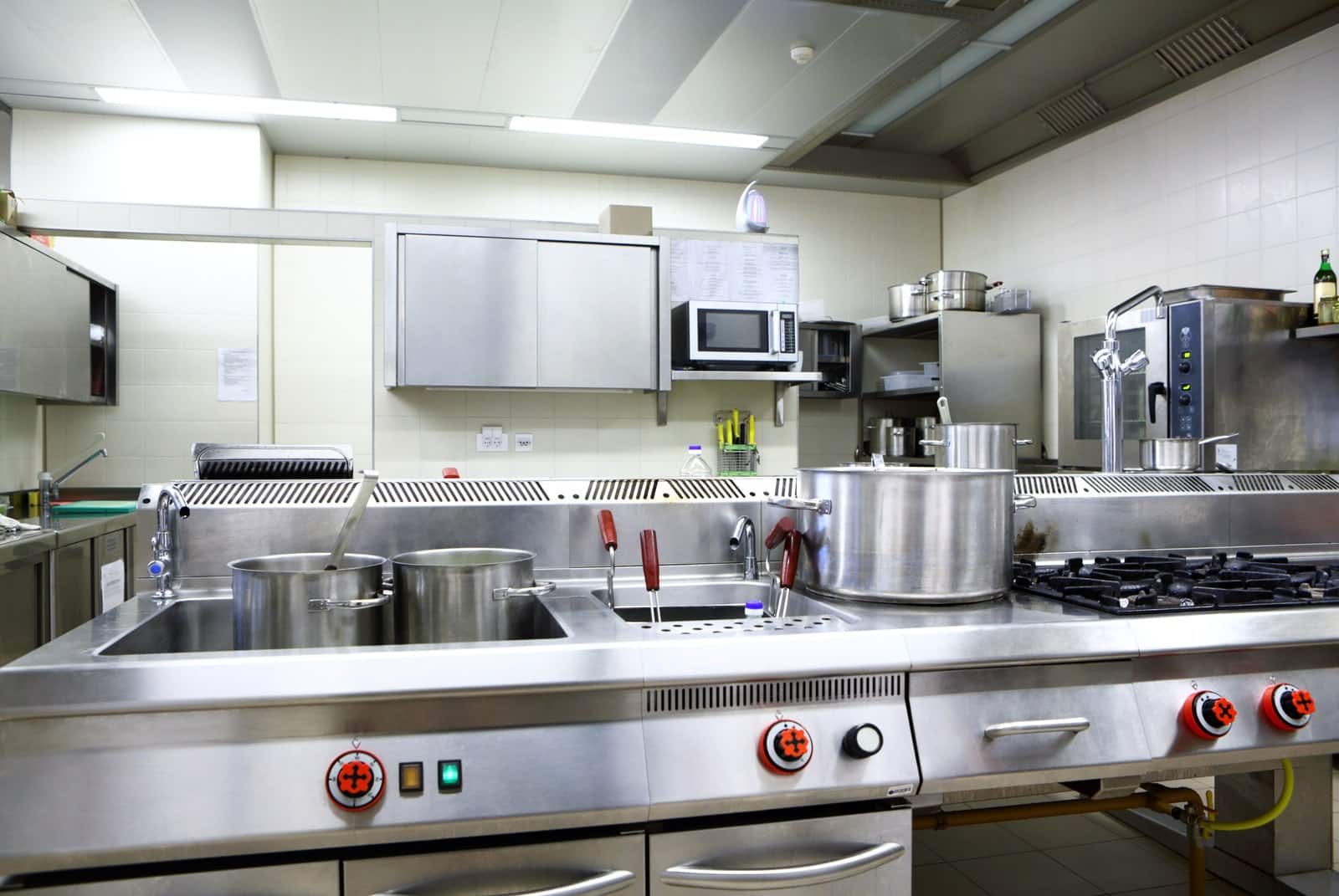
Degrease and sanitize grills, fryers, ranges, and flat tops, and clean behind and beneath every piece of equipment where grease and food debris accumulate. Don’t overlook the range hood and filters, a common violation point and a genuine fire hazard — see our guide on restaurant hood cleaning requirements.
Food Prep and Storage Areas
Sanitize all prep surfaces, cutting boards, and sinks. Deep clean walk-in coolers and freezers, including shelving, gaskets, and floors, and verify that food storage follows proper labeling and temperature standards. Inspectors scrutinize these areas closely for cross-contamination risks.
Floors, Drains, and Walls
Deep clean floors, especially grease-prone areas and corners, and clean and sanitize floor drains, a frequent source of odor and bacteria. Wipe down walls, baseboards, and splash zones behind cooking and prep stations.
Ventilation, Hoods, and Ceilings
Clean exhaust hoods, filters, and vents on a strict schedule, and wipe ceiling tiles and vents free of grease and dust. Grease buildup here is both a health and fire concern that inspectors take seriously.
Restrooms and Dish Areas
Deep clean and sanitize restrooms, and service the dish area, including the dish machine, sinks, and drains. Clean, well-stocked restrooms are an easy inspection point to get right — and an obvious one to get wrong.
Keep a Documented Cleaning Schedule
A written schedule that assigns daily, weekly, and monthly tasks does two things: it keeps deep cleaning from slipping, and it demonstrates compliance to inspectors. Many restaurants bring in professional deep-cleaning services for the heavy periodic work so their staff can focus on service.
Frequently Asked Questions
Daily cleaning handles surfaces and equipment, but deep cleaning of hoods, behind equipment, drains, and walk-ins should follow a weekly and monthly schedule, with hood systems on their required professional cycle.
Hidden and high-risk areas: behind and under equipment, hood and filter grease, floor drains, walk-in coolers, food storage temperatures, and restroom sanitation.
Many restaurants do, especially for hoods, behind-equipment degreasing, and periodic deep cleans — it ensures compliance and frees staff to focus on service.
Need a health-inspection-ready kitchen in Orlando? Clean Corps provides commercial and restaurant deep cleaning across Central Florida. Contact us for a free quote.
About the Author
Lindsay Hatton is a cleaning and home-care specialist at Clean Corps, a locally owned, licensed and insured company serving Orlando and Central Florida. She writes practical, field-tested guides on professional cleaning, home maintenance, and property care.
