By Lindsay Hatton, Clean Corps — Cleaning & Home Care in Orlando & Central Florida
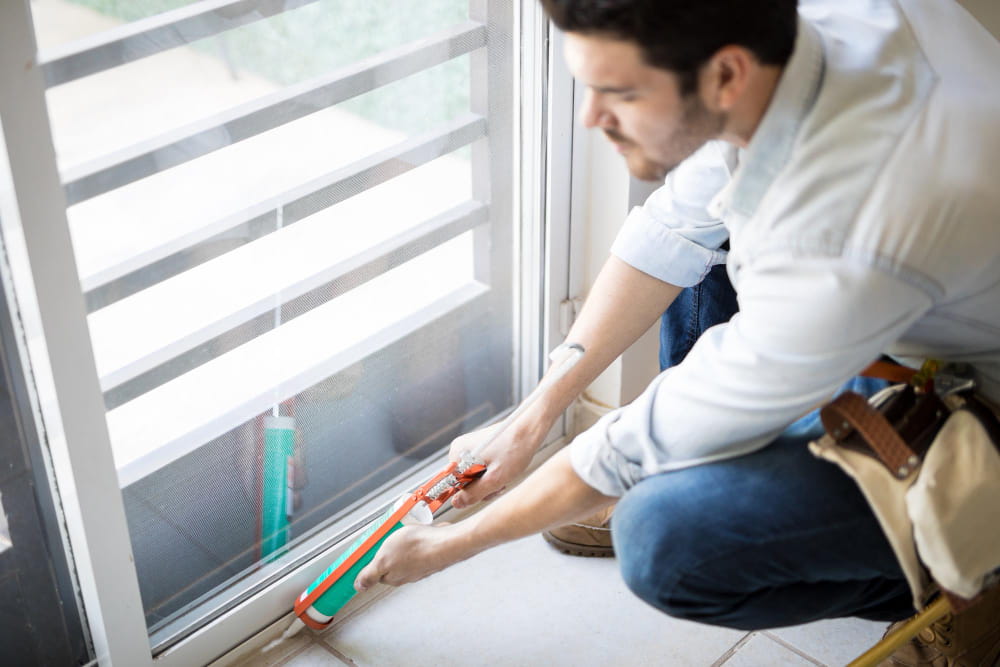
Caulk and sealant are the quiet heroes of home maintenance. A thin bead around a window, tub, or door is often the only thing standing between your home and water intrusion, energy loss, and pests. In Central Florida’s humidity and heavy rain, failing seals cause outsized damage — which is why this small, inexpensive task prevents some of the biggest repair bills. Here’s where caulking and sealing matters most, how to spot failure, and why it’s worth staying ahead of.
| Key Takeaways |
| Tiny job, big protection: seals keep water, humidity, and pests out of your home. |
| Florida accelerates failure: heat, UV, and moisture break down caulk faster here. |
| Inspect seasonally: catch cracked or peeling caulk before water gets behind it. |
Why Caulking and Sealing Matter So Much in Florida
Water is the number-one enemy of a Florida home, and seals are your first line of defense. When caulk fails, moisture slips behind walls, under floors, and into cabinets, where it feeds mold and rot long before you notice. Failing seals also let conditioned air escape — raising cooling bills — and give insects an easy way in. Because our climate degrades caulk faster than most, staying ahead of it is essential rather than optional.
Where to Caulk and Seal
- Windows and doors: exterior and interior gaps that let in water and air
- Bathrooms: around tubs, showers, sinks, and toilet bases to prevent moisture damage
- Kitchens: along countertops, backsplashes, and sinks
- Exterior: siding joints, trim, and any penetrations through walls
- Baseboards and trim: where gaps invite pests and moisture
Signs Your Caulk Is Failing
Watch for caulk that’s cracked, peeling, shrinking, or discolored, and for any gaps where the bead has pulled away from the surface. In bathrooms, mold or mildew along a caulk line or a soft, discolored area nearby signals that water is getting through. Catching these early — and re-caulking promptly — is far cheaper than repairing the water damage that follows.
Do It Right the First Time
Good sealing means removing the old caulk completely, cleaning and drying the surface, and applying the right type of caulk for the location — a mold-resistant silicone for wet areas, paintable acrylic-latex for trim. Rushed or wrong-product caulking fails fast. It’s a natural task to bundle into a broader maintenance visit; see our seasonal maintenance checklist.
Frequently Asked Questions
Inspect seals seasonally and re-caulk whenever you see cracking, peeling, shrinking, or gaps. In Florida’s climate, expect to refresh high-exposure areas more often than in drier regions.
Use a mold- and mildew-resistant silicone caulk designed for wet areas around tubs, showers, and sinks. For trim and paintable surfaces, an acrylic-latex caulk works better.
Heat, UV exposure, and constant humidity break down caulk more quickly, so Florida homes need more frequent inspection and resealing to stay protected.
Want your home properly sealed against Florida weather? Clean Corps handles caulking, sealing, and home maintenance across Orlando and Central Florida. Contact us for a free estimate.
If your property is a rental you don’t live in, see our hurricane checklist for Orlando rental properties for a landlord-focused pre-storm punch list.
About the Author
Lindsay Hatton is a cleaning and home-care specialist at Clean Corps, a locally owned, licensed and insured company serving Orlando and Central Florida. She writes practical, field-tested guides on professional cleaning, home maintenance, and property care.