How to Keep Your Home Clean Without Wasting Water
Cleaning does not have to mean running taps endlessly.
Water waste often happens from habit, not necessity. With small adjustments, you can reduce water usage significantly while maintaining hygiene and cleanliness.
If you live in a warm climate like Florida, where water conservation matters year-round, efficient cleaning habits protect both your budget and the environment.
This guide outlines practical, realistic strategies that actually work.
Why Water Conservation Matters During Cleaning
Traditional cleaning habits waste water by:
- Letting taps run continuously
- Overfilling buckets
- Excessively rinsing surfaces
- Using hoses instead of targeted tools
Small daily waste adds up quickly, especially in larger households.
Efficient cleaning protects natural resources and reduces monthly utility bills.
1. Use Spray Bottles Instead of Running Water
Instead of keeping the faucet on:
- Fill a reusable spray bottle with diluted cleaner
- Mist surfaces lightly
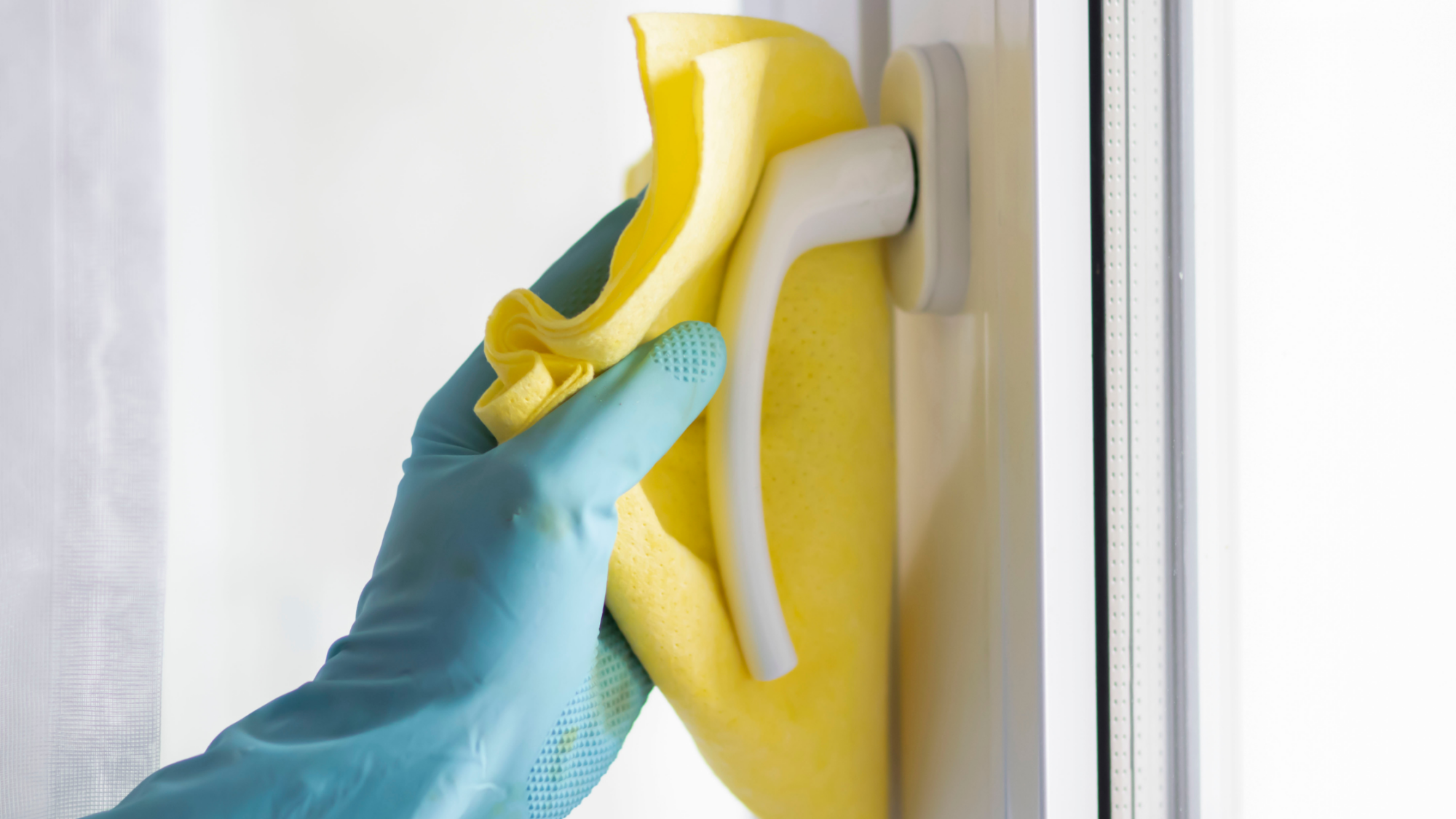
- Wipe with microfiber cloth
This method reduces water use dramatically while improving control.
2. Switch to Microfiber Cleaning Systems
Microfiber cloths:
- Require less water
- Lift dirt without heavy rinsing
- Reduce chemical usage
- Dry surfaces faster
One damp microfiber cloth can clean multiple surfaces effectively.
3. Avoid Overfilling Buckets
When mopping floors:
- Fill the bucket only halfway
- Change water when visibly dirty instead of automatically
- Use a flat mop system that requires less water
Excess water does not equal better cleaning.
4. Turn Off the Tap Between Tasks
While washing dishes or rinsing cloths:
- Turn water off while scrubbing
- Rinse all items together
- Avoid continuous flow
This simple habit alone can save gallons daily.
5. Use Spot Cleaning Instead of Full Rinses
Instead of rinsing entire surfaces:
- Target only dirty areas
- Use damp cloths instead of soaking
- Dry wipe when possible
Precision reduces waste.
6. Choose No-Rinse Cleaning Products
Many modern cleaning solutions:
- Do not require rinsing
- Leave minimal residue
- Reduce water dependency
This is especially useful for floors and bathroom surfaces.
7. Maintain Appliances Efficiently
Cleaning appliances correctly reduces water waste long term:
- Run full dishwasher loads
- Use eco modes
- Check for leaks
- Clean filters regularly
Efficient appliances reduce unnecessary water use.
8. Rethink Outdoor Cleaning
Instead of using a hose to clean:
- Sweep patios first
- Use a bucket and brush
- Spot rinse only when necessary
Pressure washing should be used strategically, not routinely.
9. Fix Leaks Immediately
Dripping faucets waste significant water over time.
A small leak can waste hundreds of gallons per year.
Routine inspection prevents long-term waste.
10. Build a Water Smart Cleaning Routine
Create habits such as:
- Cleaning by zone to reduce repeated rinsing
- Using two cloth system (one damp, one dry)
- Air drying instead of rinsing repeatedly
Efficiency improves with structure.
Common Water Waste Mistakes
- Letting water run while wiping counters
- Using excessive mop water
- Rinsing already clean areas
- Cleaning outdoors with hoses unnecessarily
Awareness is the first step to improvement.
Benefits of Water Efficient Cleaning
- Lower utility bills
- Reduced environmental impact
- Faster cleaning routines
- Less humidity buildup indoors
- Better control over surface care
Water saving does not mean sacrificing hygiene.
It means cleaning smarter.
Final Thoughts
Effective cleaning is about precision, not volume.
With minor adjustments in technique and tools, you can significantly reduce water usage without compromising cleanliness.
Small daily habits compound into meaningful savings.
If you want a structured, eco-friendly cleaning approach that prioritizes efficiency, professional cleaning services can help implement water-conscious systems tailored to your home.