
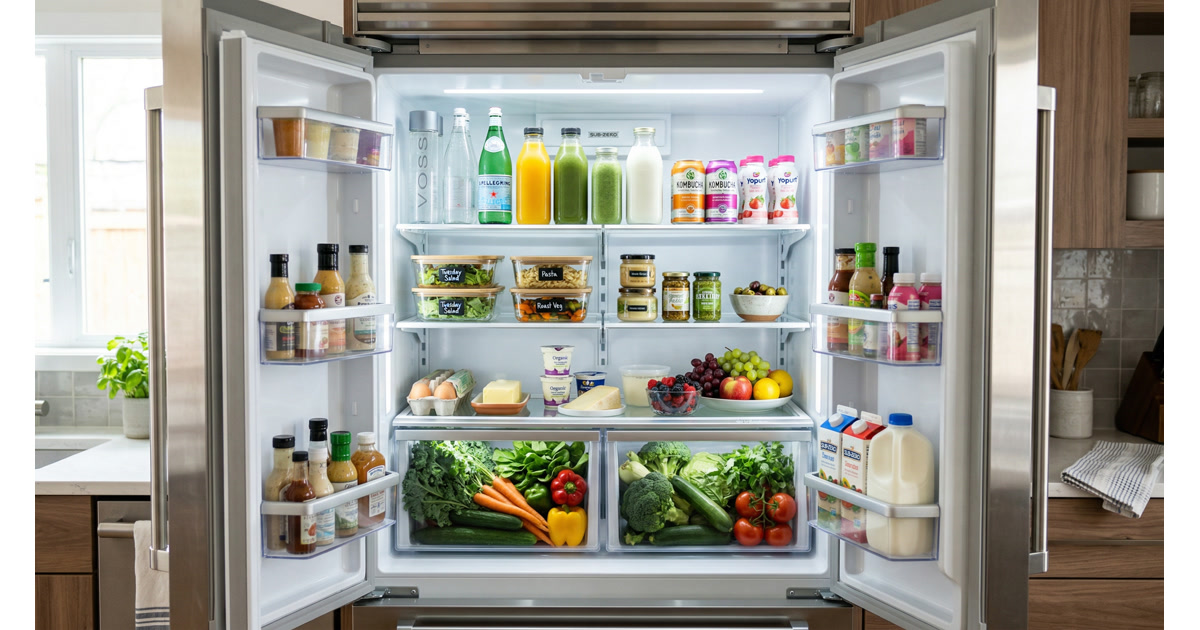
Your refrigerator runs 24 hours a day, yet most people wipe it down only once or twice a year — if that. The result is sticky spills, trapped odors, and, in Orlando’s humidity, mold that grows in the door gaskets faster than you’d expect. This step-by-step guide shows you how to clean a refrigerator inside and out the right way: shelf by shelf, naturally deodorized, gaskets and coils included, so it stays fresh and runs efficiently.
| Key Takeaways |
| Empty first: remove all food so you can reach every shelf and corner. |
| Skip harsh chemicals: warm water, dish soap, and baking soda are safest around food. |
| Don’t forget the gaskets & coils: they trap mold and dust and affect efficiency. |
| Deep clean every 3–4 months; wipe spills as they happen in between. |
What You’ll Need
- Warm water and mild dish soap
- Baking soda (for scrubbing and deodorizing)
- White vinegar (for glass and stubborn spots)
- Two microfiber cloths and a soft sponge
- An old toothbrush for gaskets and crevices
- A cooler or insulated bags for food
Step 1: Empty the Refrigerator
Move all food into a cooler to keep it cold while you work. As you go, toss anything expired, moldy, or forgotten. An empty fridge lets you reach every surface and prevents cross-contamination while you clean.
Step 2: Remove and Wash Shelves & Drawers
Take out the shelves, bins, and drawers. Let glass shelves come to room temperature before washing — running hot water over a cold glass shelf can crack it. Wash each piece in warm, soapy water, rinse, and dry completely before returning them.
Step 3: Wipe Down the Interior
Mix a few tablespoons of baking soda into warm water and wipe every interior surface — walls, ceiling, and door. Baking soda cuts grease and neutralizes odors without leaving a chemical smell near your food. For dried-on spills, lay a warm, damp cloth over the spot for a minute to loosen it, then wipe clean.
Step 4: Clean the Door Gaskets (Don’t Skip This)
The rubber gaskets that seal the door are a magnet for crumbs and, in humid climates, mold. Dip an old toothbrush in warm soapy water and scrub into every fold, then wipe dry. Clean gaskets seal better, which keeps cold air in and your energy bill down.
Step 5: Deodorize Naturally
Once everything is clean and dry, place an open box of baking soda on a back shelf to absorb future odors — replace it every three months. For a lingering smell, wipe surfaces with a mix of equal parts water and white vinegar, or leave a bowl of fresh coffee grounds inside overnight.
Step 6: Polish the Exterior
Wipe the outside with warm soapy water, paying attention to handles, which collect the most germs. For stainless steel, wipe with the grain using a dedicated stainless cleaner or a little vinegar, then buff dry to avoid streaks. Our guide on how to clean stainless steel appliances has more detail on a streak-free finish.
Step 7: Vacuum the Condenser Coils
Every six months, unplug the fridge and vacuum the condenser coils (behind or beneath the unit). Dusty coils make the compressor work harder, shortening its life and raising your energy use. This five-minute task is one of the most overlooked ways to keep a refrigerator running efficiently.
How to Keep It Clean Between Deep Cleans
Wipe spills as soon as they happen, store strong-smelling foods in airtight containers, check for expired items once a week, and keep an open box of baking soda inside. A few small habits stretch the time between deep cleans and keep odors from ever taking hold. While you’re at it, an oven refresh pairs well with a fridge day — see how to clean an oven without harsh chemicals.
Frequently Asked Questions
How often should I clean my refrigerator?
Do a full deep clean every three to four months, wipe spills as they happen, and check for expired food weekly. In humid climates like Central Florida, check the door gaskets monthly for mold.
What’s the best natural refrigerator cleaner?
A solution of baking soda and warm water cleans and deodorizes safely around food. Equal parts white vinegar and water work well on glass and stubborn spots. Avoid bleach and harsh chemicals inside a fridge.
How do I get rid of a bad smell in my fridge?
Remove the source, wipe every surface with baking soda solution, and leave an open box of baking soda or a bowl of coffee grounds inside overnight. Persistent odors usually mean a spill hiding under a drawer or in the gaskets.
Short on time? A Clean Corps deep clean can include inside-the-fridge as an add-on. Get a free quote for a spotless kitchen across Orlando and Central Florida.